
Sources for Old Bridge Previous Residents
Every era leaves a different trail. Middlesex County records can establish a parcel and a recorded transfer. Local newspapers, directories, and historical collections can add a dated household presence. Do not turn one source into more than it says. A recorded owner is not automatically an occupant, and a printed address is not proof that a person remained there after the publication date. The table keeps the Old Bridge address search focused on source type, time scope, and the fact each source can support.
| Source route | Known coverage or date limit | Where held | What it can show |
|---|---|---|---|
| Middlesex County land records | County records described as maintained since 1722; online ranges differ by document type | County Clerk portal and public record room | Recorded parties, instrument, legal description, book or page, and transfer dates |
| County GIS parcel layer | Current public parcel data with historical deed and old block or lot pointers where populated | Middlesex GIS and parcel FeatureServer | Municipality, PAMS PIN, block, lot, property location, and parcel context |
| Old Bridge digital archive | Documents described as dating to the early 1900s; exact title runs need checking | Digifind-It Old Bridge | Dated notices, obituaries, announcements, articles, and address mentions |
| City and criss-cross directories | Exact Old Bridge and Madison holdings unconfirmed | Public library, historical society, and state inventory | Printed household, street, occupation, or telephone-era clues when a volume is held |
| County aerial photographs | 1962, 1967, 1974, 1980, 1987, and 1998 | Middlesex Spatial Data Services | Dated change in a lot, road, or building footprint, not an occupant |
For a recent transaction, begin with parcel identity and land records. For an older household question, begin with the historical name and a newspaper or library query, then work toward deeds and maps. If a record is absent online, the fallback is the County Clerk public record room, a specific request to the proper custodian, or a local-history holding check.
Prepare Previous Old Bridge Addresses
Start with the USPS ZIP lookup to normalize the mailing address, then compare it with the Middlesex public parcel layer. Keep municipal jurisdiction, postal city, ZIP, and parcel property location in separate fields. An address printed as Matawan, South Amboy, or another postal place does not by itself place the parcel outside Old Bridge Township.
The parcel layer can supply PAMS PIN, municipality, block, lot, qualifier, unique ID, property location, land description, property class, old block or lot fields, deed book or page, sale date, and other public facts when populated. Owner data can be redacted under Daniel’s Law. Do not fill a missing unit number, owner name, or mailing address by guesswork. The stable handoff to the deed index is usually parcel identity, then the deed book or page or instrument information.
Note: Keep the postal label and the county municipality field separate in every Old Bridge address history.
Follow Old Bridge Previous Deeds
The Middlesex public land-record search offers Document Types, Name, Instrument Number, Map Number, and Parcel ID approaches, with date controls and a reCAPTCHA. The County Clerk describes deeds from 1929 forward, mortgages from 1950 forward, and other listed documents from 1958 forward as viewable or printable online. A county announcement refers to deeds reaching 1923, so treat the earlier range as a discrepancy to check in the live portal or record room rather than as settled coverage.
The land-record search screen shows the available search paths and date controls.
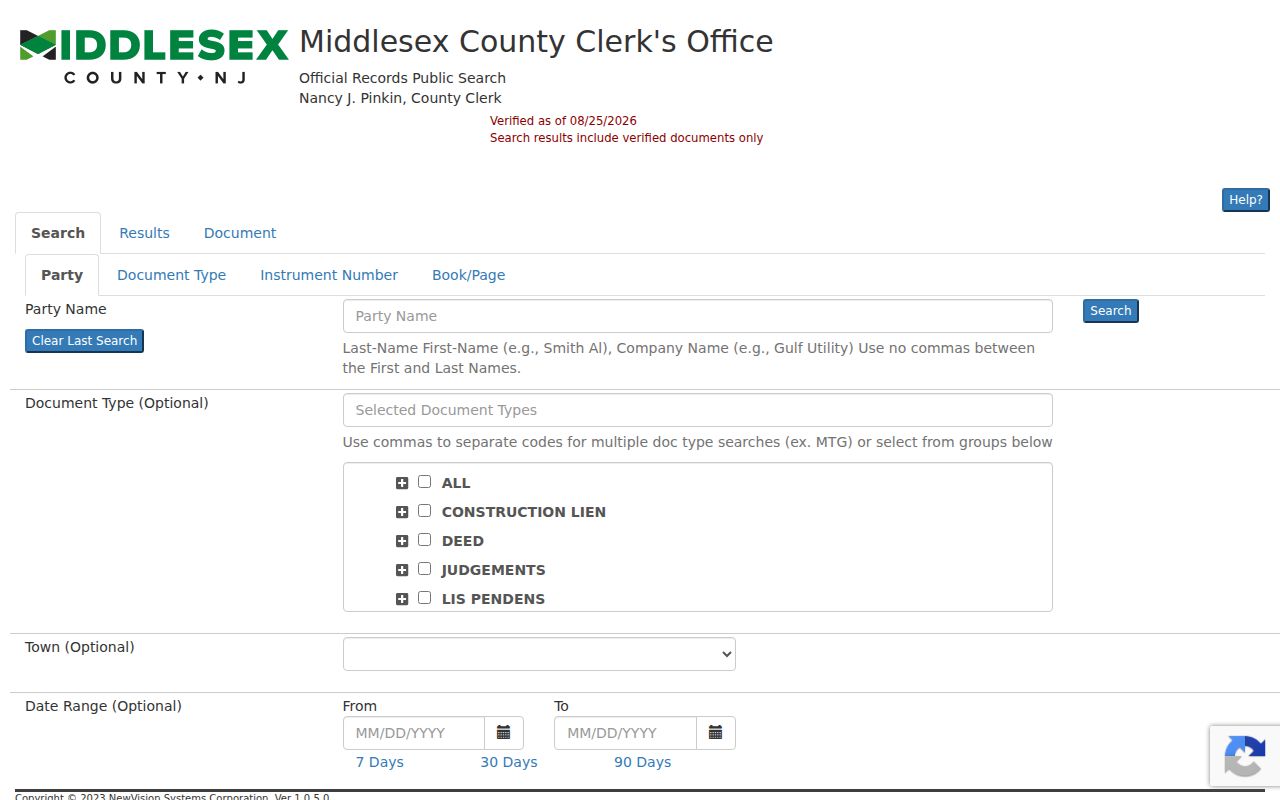
A backward deed chain begins with the newest verified transfer tied to the parcel. Read the seller on that document, then search that person or entity as the buyer in the earlier acquisition. Repeat only where the legal description, block and lot, instrument, and dates still support the same parcel. County staff can familiarize visitors with the computerized system, but they do not perform a title search.
- Record the normalized address, county municipality, PAMS PIN, block, lot, and any deed book or page pointer shown publicly.
- Use the Parcel ID, name, document-type, instrument, or map search that matches the available record key.
- Open the newest relevant transfer and copy its grantor, grantee, legal description, recording date, deed date, and instrument or book reference.
- Find the seller’s earlier acquisition as grantee, then compare the parcel identifiers before adding another link.
- For a date outside confirmed online access, use the County Clerk public record room at 75 Bayard Street or ask for the appropriate record route.
Read Old Bridge Past Owner Terms
Deed vocabulary helps prevent a wrong turn in past-resident research. A name on an instrument has a recorded role, not a residence finding. Retain the source date and document reference with every name. That practice is especially important for estates, trustees, entities, and transfers that involved more than one party.
- Grantor
- The party transferring an interest in the recorded document, often the seller in a deed.
- Grantee
- The party receiving an interest in the recorded document, often the buyer in a deed.
- Chain of title
- A sequence of documented transfers for the same parcel, checked through legal description and record references rather than a street name alone.
- Legal description
- The recorded land description or parcel reference used to identify property when a street address changes, repeats, or is incomplete.
A certified instrument is different from an index result. The County Clerk’s fee page lists a certified copy or backer at $10 plus $2 per page, while a Registry FAQ gives a simplified statement. Check the current fee schedule before ordering because the research found that discrepancy.
Search Past Old Bridge Households
Old Bridge has historical names that shape an address trail. The township separated from South Amboy in 1869, then operated as Madison Township until the Old Bridge transition. Official township history describes a 1975 referendum, while the Thomas Warne Society gives 1976. Search South Amboy Township, Madison Township, Madison, and Old Bridge. Keep the printed label in the citation because the source disagreement is part of the record context.
Older address research also needs humility. No official chronology of local street renumbering, street renaming, 911 readdressing, or postal-route reorganization was located. An old street address should not be declared identical to a modern address without an official map, deed, directory, or municipal record that connects them. Old block, lot, and qualifier fields can be useful bridges after a subdivision or parcel change.
Rebuild Old Bridge Past Households
Ownership answers only one part of who lived here before. To find a dated household, pair a directory or newspaper reference with the closest available census or archival source, then see whether the address, surname, and date fit together. The Old Bridge city directory collections route is the place to confirm actual local volumes and their formats. Do not assume a criss-cross book exists for a particular year until the holder confirms it.
The Old Bridge digital archive supports name, street, organization, school, church, obituary, and historical-alias searches.
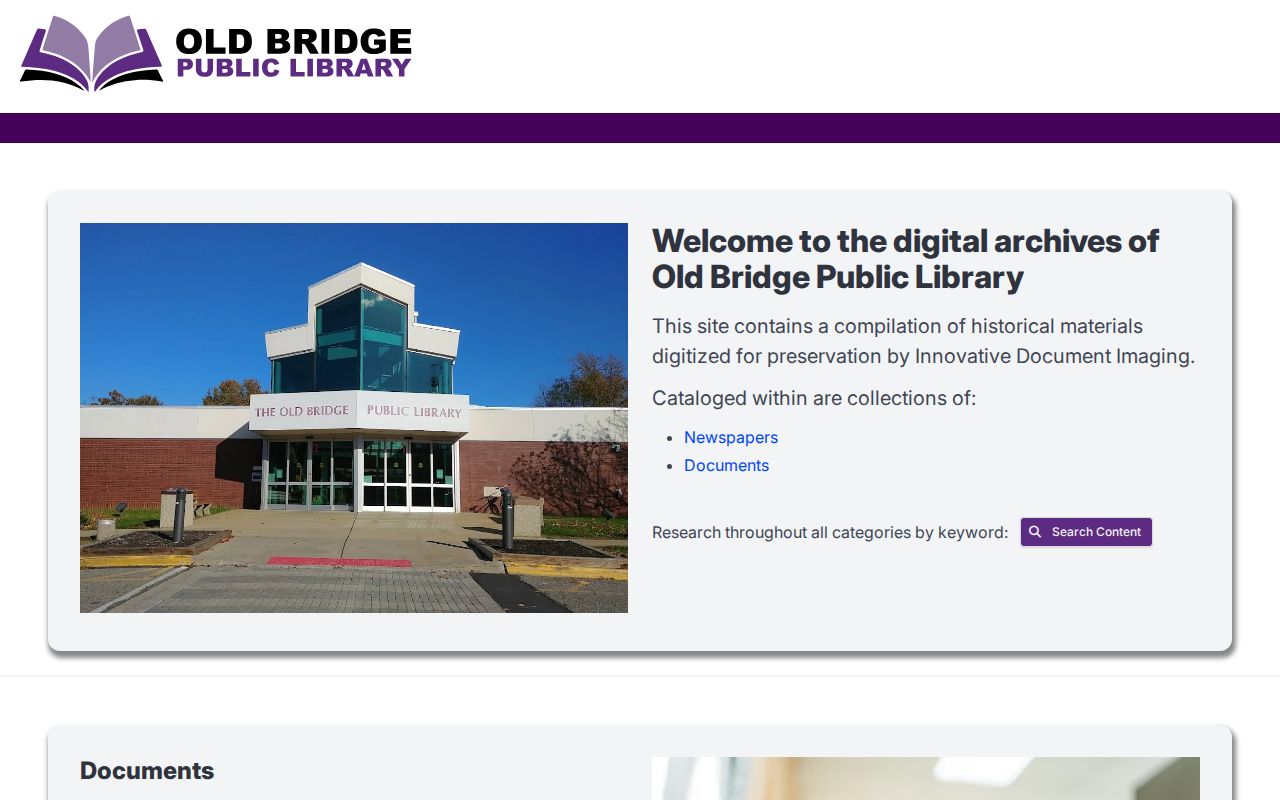
Use a scan rather than an OCR fragment as the citation source. Record the title, issue date, page or clip identifier, URL, and category of mention. An obituary may close a household trail, while a legal notice or school item can place someone near an address for a limited date.
Lawful use. Old Bridge house-history research is for family history, heirs, property context, or personal curiosity. Do not use public records to track, harass, or expose a living person, and do not attempt to recover a protected address.
Pair Old Bridge Household Dates
The Old Bridge Public Library is the public starting point for local-history reference, newspaper access, databases, public computers, genealogy tools, and the linked Digifind-It archive. It can help identify catalogued city-directory, criss-cross, map, microfilm, and local-newspaper holdings. The Thomas Warne Museum and Library adds research support for local families, properties, buildings, archaeology, and community history.
The Thomas Warne Museum public page documents its historical-society setting and research contact path.
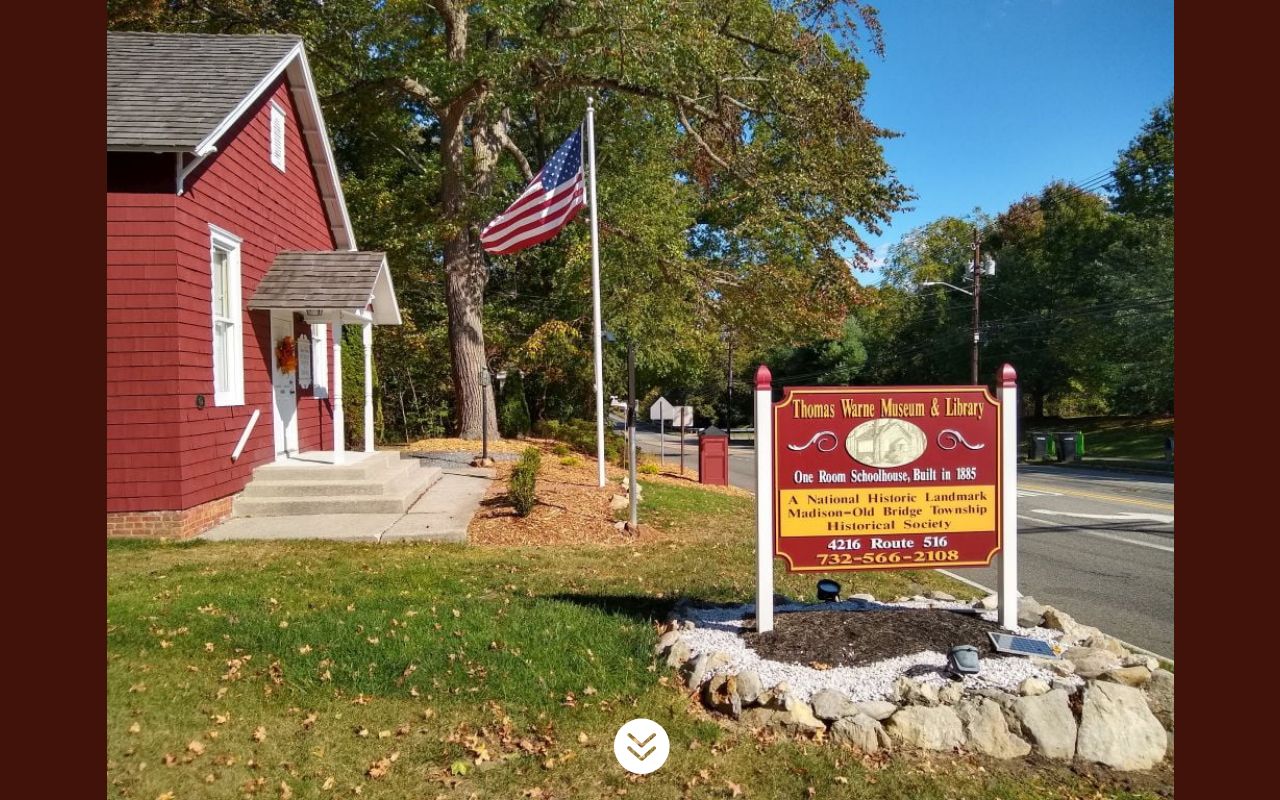
Ask for family files, historic photographs, building-history material, cemetery or church leads, and Madison or Old Bridge directory references. Verify appointment requirements before visiting. A local-history lead becomes useful evidence only when it is tied to a dated document, photograph, directory entry, map, or newspaper item.
Protect Old Bridge Previous Research
The Middlesex Property Alert program is a free monitoring tool for recorded documents matching a municipality, block and lot legal description, or party name. It can be useful after an address history identifies a parcel. Register name variants carefully, and remember that the county says an alert does not prevent fraud. An alert is a notice to inspect a record, not proof that a transaction is improper.
The Property Alert information page explains the matching choices and its limits.
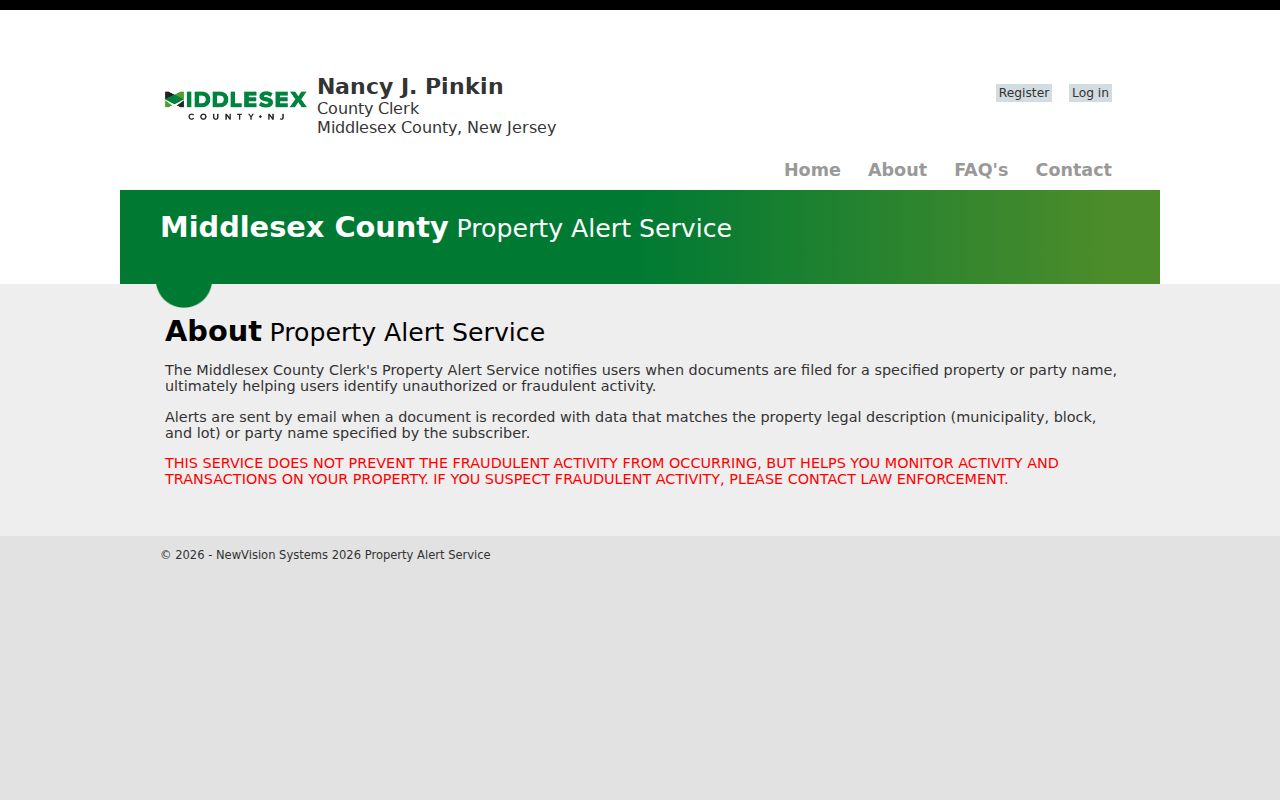
Keep a simple source log for each prior-resident finding: source title, URL, search date, record date, address or parcel key, record type, page or instrument reference, and a label such as recorded owner, directory listing, or historical mention. NJ OPRA requests should ask for a specific existing record and reasonable date range, not a general person search. Sensitive fields may be redacted.
Compare Old Bridge Prior Aerials
Middlesex Spatial Data Services identifies aerial photographs for 1962, 1967, 1974, 1980, 1987, and 1998. Compare the same parcel across those snapshots to see whether a lot was vacant, wooded, developed, or reconfigured. Pair the image with a deed, planning record, directory, tax or assessment item, or newspaper source before drawing any conclusion about a past household.
Aerials are a geographic check, not a people record. They can help explain why a former address no longer matches a modern parcel or why a road layout changed. They cannot establish who occupied a structure. That boundary keeps an Old Bridge address history accurate and respectful.